 Tanmaxxing is a thing – and experts warn it’s ‘dangerous’.
There have been plenty of social media trends that end with ‘maxxing’ thus far – looksmaxxing, sleepmaxxing, jestermaxxing and fibremaxxing, to name a few.
But the latest trend adopting the much-used suffix is certainly one to be wary of – tanmaxxing is, as the name suggests, about achieving the most optimal tan possible.
Skin health experts are understandably worried about the repercussions of this – especially on young skin.
Dermatologist Dr Rachel Nazarian told CBS Mornings the trend for getting a dramatic tan – whether by using sunbeds or sitting in the midday sun without sunscreen – is “very dangerous”.
She highlighted how lots of these trends are doing the rounds on social media, where misinformation is rife. She’s right – a quick look online and there are videos where people are suggesting getting a tan is safe (spoiler: it isn’t).
Dr Zainab Laftah, consultant dermatologist and British Skin Foundation spokesperson, told HuffPost UK: “The ‘tanmaxxing’ trend is concerning because there is no such thing as a safe tan.”
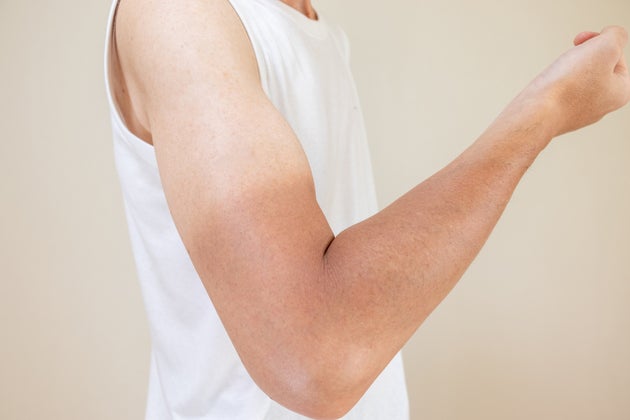
Basically, a tan is visible evidence of your skin being damaged. Or as Dr Laftah puts it: “A tan is the skin’s response to UV radiation causing DNA damage.”
The risks of ‘tanmaxxing’
There are two main risks to teens and young adults hopping on the tanmaxxing trend. The first is an obvious one: skin cancer. Your risk of melanoma – a potentially deadly form of skin cancer – doubles with a history of five or more sunburns, according to the Skin Cancer Foundation.
Sun burn is also the leading cause in most cases of basal cell carcinoma, squamous cell carcinoma and melanoma.
As for tanning beds, they emit up to 15 times more UV radiation than the midday sun – and people who start using tanning beds before the age of 35 have a 75% increased risk of developing melanoma, according to the Skin Cancer Foundation.
The second risk is more of a cosmetic one, but it’s one that Dr Nazarian flagged in the hopes it will deter people from jumping on the trend: sun damage ages you. In fact it can cause wrinkling, loss of skin elasticity, pigmentation, sun spots and redness, according to Yale Medicine.
“It happens when ultraviolet (UV) light hits skin unprotected by sunscreen, causing DNA changes at a cellular level. Because photodamage happens in the deepest layers of the skin – the dermis – it can take years before the damage surfaces and becomes visible,” reads the site.
How to talk to teens about ‘tanmaxxing’
This is the tricky bit because you can tell kids to wear sun cream until the cows come home, but will they actually do it?
Tanning culture is huge – and the desire to fit in can outweigh the desire to stay safe (we see this time and time again with teens jumping on risky trends).
The key is education, but not in a lecturing way (as that rarely works either). “Conversations about skin health, rather than appearance, can help teenagers develop healthier attitudes towards sun safety,” said Dr Laftah.
The dermatologist urges parents to encourage teens to question social media trends and explain “that influencers often overlook the long-term consequences of UV damage”.
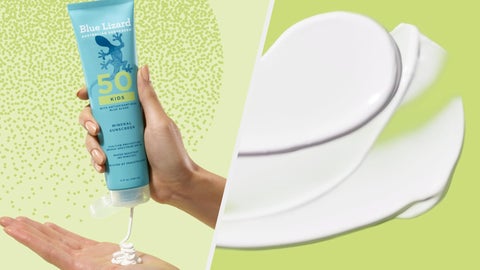
Reinforce practical habits during these informal chats, such as using broad-spectrum SPF 30+ sunscreen, wearing protective clothing, seeking shade during peak UV hours, and avoiding intentional tanning.
Lastly, offer safer ways to achieve the look. Mary Wu Chang, associate professor of Dermatology and Pediatrics at UConn Health, recommended self-tanning lotions and spray tans, for instance.
Dr Laftah agrees: “If teens want a bronzed look, self-tanning products are a much safer alternative to tanning in the sun or using sunbeds.”