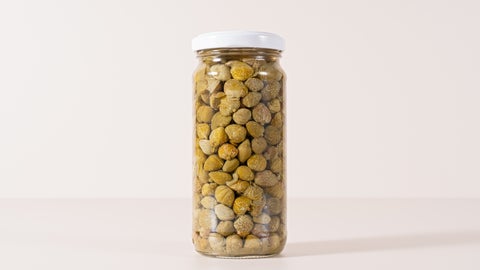
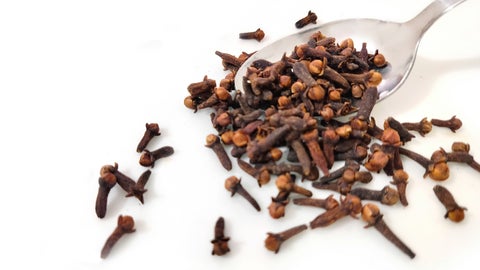
We’ve written before at HuffPost UK about the fact that cloves and capers are both technically flower buds, while figs are technically inverted flowers.
(Don’t even get me started on their horrific historic relationship with wasps).
So, what about vanilla, which comes in a pod? I’ve never quite been sure whether it counts as a fruit, a vegetable, bean, or something else – never mind how it’s actually grown.
Where does vanilla come from?
Vanilla beans are not actually beans – they’re really the unripe fruit of an orchid. So, vanilla itself is a fruit.
The pods grow on the climbing plant of the flower’s vine. This long, thin fruit can grow up to 20cm long and can take up to nine months to mature.
They aren’t harvested when they’re fully ripe, though; vanilla is usually picked when its base turns golden-green.
These fruits barely have any smell when they’re picked. The famous vanilla scent comes from enzymatic reactions in the fruit as it’s cured.
Traditionally, the pods were steamed and cured in the sun for about 10 days before five to six months of drying. This process leads to tiny crystals called vanillin – responsible for that sweet smell and taste – forming on the surface of some pods.
The higher the grade of vanilla, the more of these crystals it may have.
Something similar happens to capers; when they’re cured and/or salted, they release mustard oil and rutin. That leads to their signature tang and the little white spots you sometimes see on their skin.
Why is vanilla so expensive?
The vanilla orchid is hand-pollinated, even to this day.
While they can be pollinated by insects, too, only one tiny species of bee is designed for the task. These don’t live in all the countries that produce vanilla, either.
And it’s not like the bees (or hand-pollinators) have got a huge window to do their jobs, either. Vanilla flowers tend to stay open for just six to eight hours at a time and usually only do so once a year.
Hand pollination is “an extremely tricky process done with a slim toothpick,” Kew Gardens explained.
After that’s done, you have to wait almost a year for a usable fruit.
The long curing process, along with “the practice of manual pollination, makes vanilla one of the most expensive spices (after saffron),” spice and extract company McCormick’s Science Institute said.
Is there fake vanilla?
Yes, lots of it. In fact, I’m now convinced I’ve never eaten real vanilla in my life.
Imitation vanilla is a far cheaper, though arguably less delicious, version of the flavour made from manufactured extracts.
Less than 1% of the world’s vanilla flavour (vanillin) comes from vanilla orchids, Scientific American said.
Other ways to achieve a similar taste involve guaiacol, a fragrant liquid made by distilling wood-tar creosote or tree resin. That’s responsible for about 85% of the world’s vanilla flavour.
And manufacturers use lignin for the rest, a substance found in things like cow manure and wood pulp.
So, Kew Gardens explained, “much of the ‘vanilla essence’ commonly used today is actually made from wood pulp or coal tar”.
Yum…